PERMANENT EYELINER SPECIALTY TRAINING
PRECISION
MATTERS.
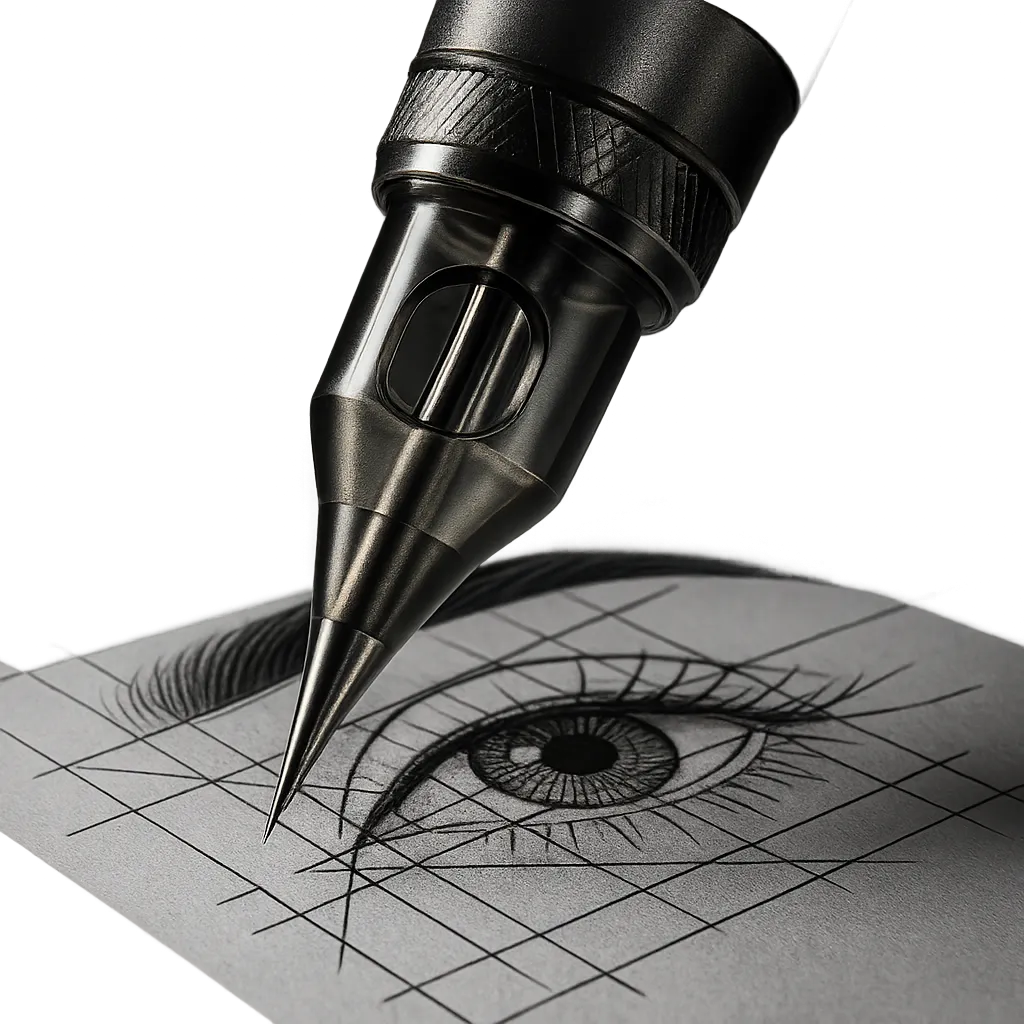
Master clinical mapping protocols, nuanced needle depth control, and advanced machine speed calibration. Engineered exclusively for licensed PMU artists demanding flawless lash line and winged eyeliner execution.
SPECIFICATION & INVESTMENT
PROGRAM VITALS
PREREQUISITE REQUIREMENT: Previous PMU or tattoo-machine experience is required for this specialty course.
ARTISTIC SPECTRUM & APPLICATION
EXPLORE DIFFERENT STYLES
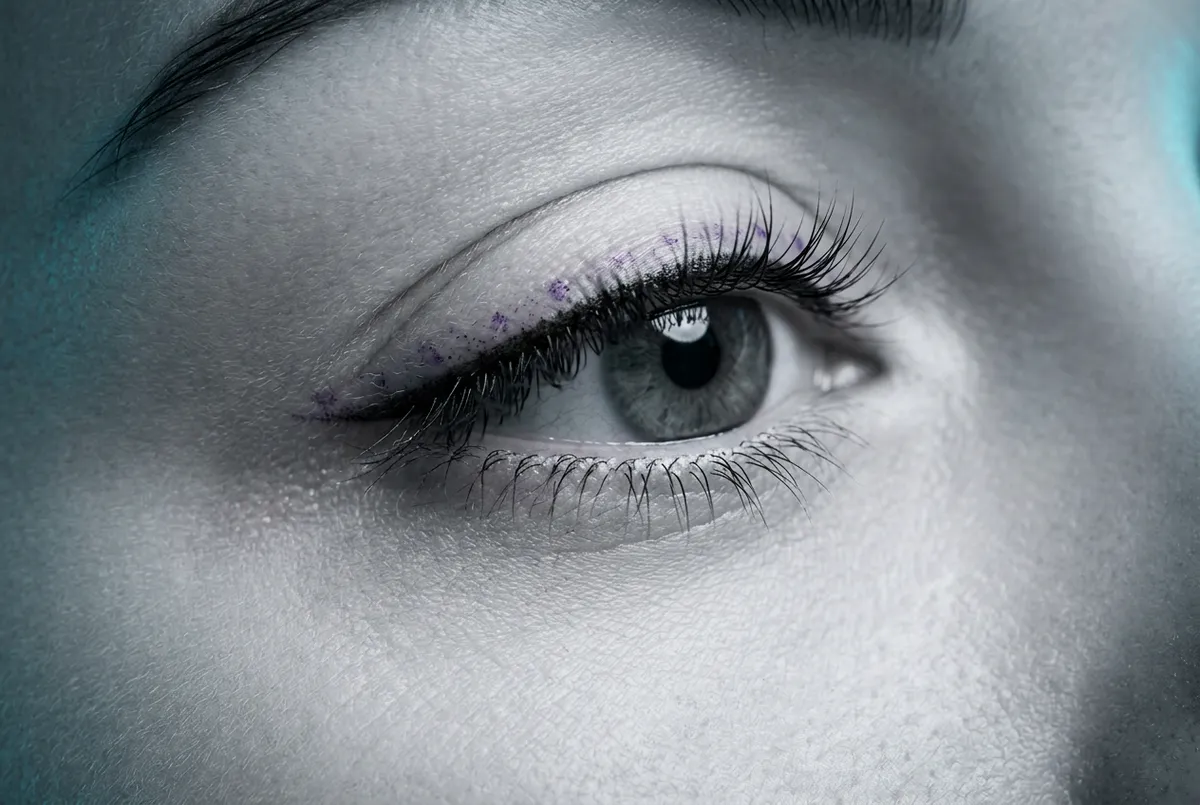
Mastering permanent eyeliner requires recognizing that no single technique suits every eyelid morphology. Precision artists assess ocular symmetry, lid laxity, and lifestyle demands to prescribe tailored lash enhancements, sharp classic contours, or delicate shaded wings.
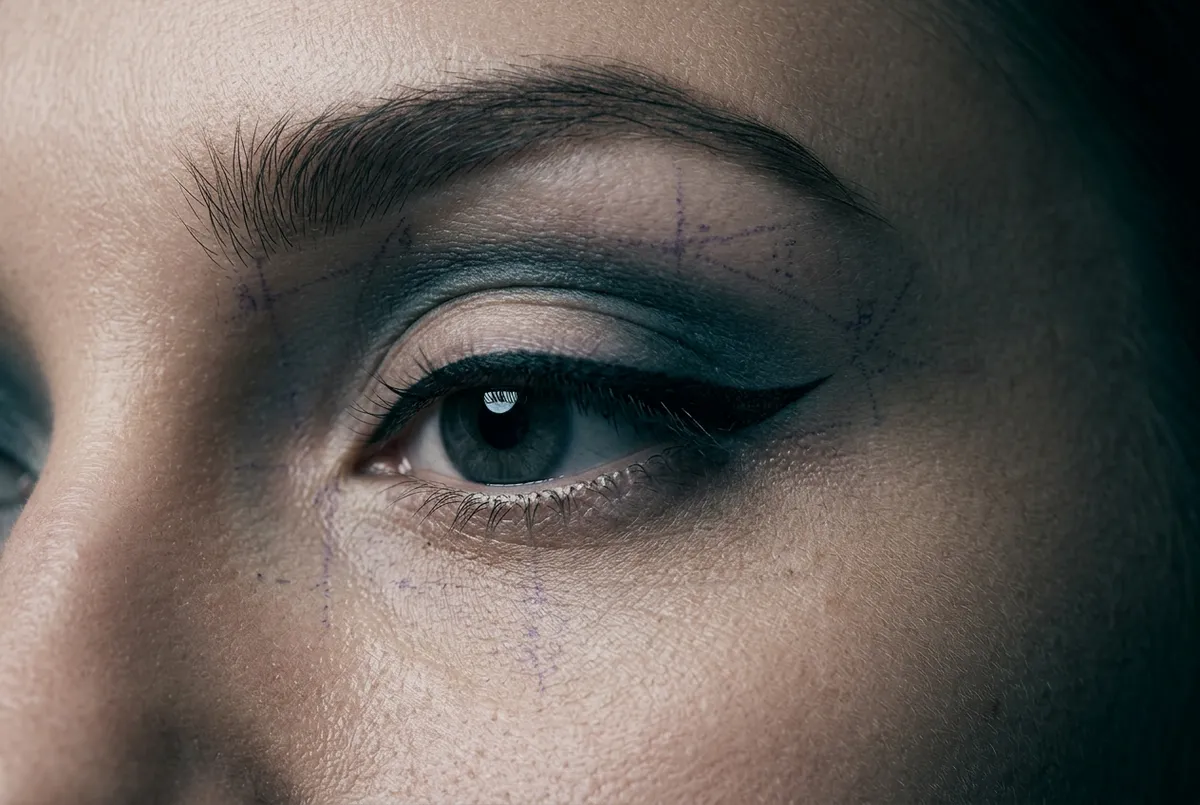
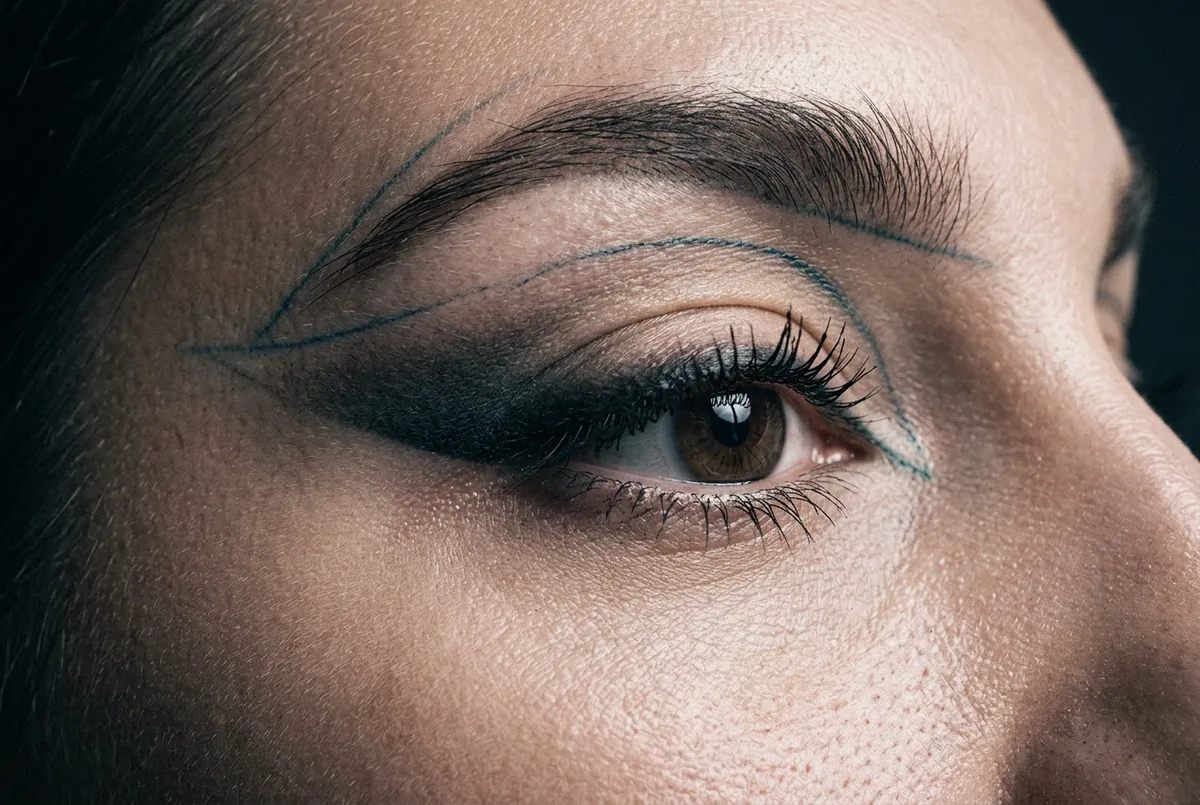
DESIGN • DEPTH • PLACEMENT • PRECISION
EYELINER REQUIRES CONTROL
A rigorous, multi-module framework structured around the mechanical, biological, and artistic parameters governing permanent ocular micropigmentation.
01. Machine Setup & Stroke Calibration
- Voltage calibration and stroke length (2.1mm - 2.8mm)
- 1RL 0.25mm vs. 0.30mm needle taper selection
- Hand speed synchronization with motor oscillation
- Stabilization grip and vibration dampening
02. Depth Control & Papillary Feedback
- Upper papillary dermis target depth identification
- Acoustic feedback and needle drag discernment
- Strict 90-degree penetration vs. angled pendulum passes
- Avoidance of sub-dermal vascular migration zones
03. Pigment Chemistry & Viscosity
- Carbon black vs. iron oxide behavioral science
- Particle size threshold and capillary diffusion kinetics
- Undertone formulation to neutralize cool blue-gray shifts
- Viscosity formulation control for fluid retention
04. Eye-Shape & Anatomical Mapping
- Tarsal plate margin & meibomian gland boundary rules
- Inner canthus & lateral commissure strict exclusion zones
- Hooded, monolid, and deep-set axis adjustments
- Custom trajectory planning per ocular symmetry
05. Tissue & Vascular Considerations
- Ultra-thin eyelid dermis 3-point stretch techniques
- Managing capillary fragility and tissue resistance
- Lymphatic drainage protection and edema mitigation
- Mature and sun-compromised lid adaptation protocols
06. Ocular Safety & Clinical Sanitation
- Ophthalmic-grade corneal barrier application
- Sterile glove contact and barrier film hygiene protocols
- pH-neutralized eyewash & emergency flush procedures
- Cross-contamination prevention in globe proximity
ANATOMICAL EVALUATION & CUSTOM ARCHITECTURE
ONE DESIGN DOESN'T FIT EVERY EYE
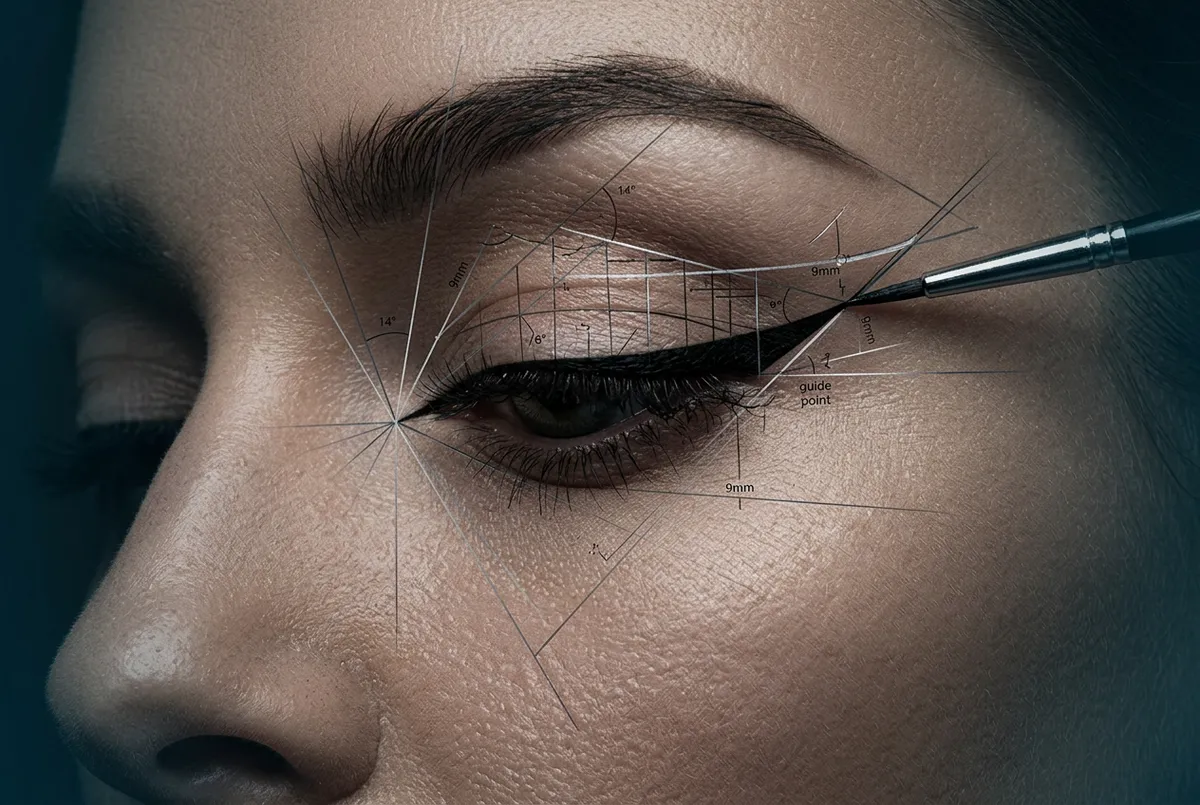
True mastery rejects stencil-based PMU. Master the clinical consultation and structural mapping rules required to formulate custom pigment pathways for unique palpebral fissures, brow proximities, and lid dynamics.
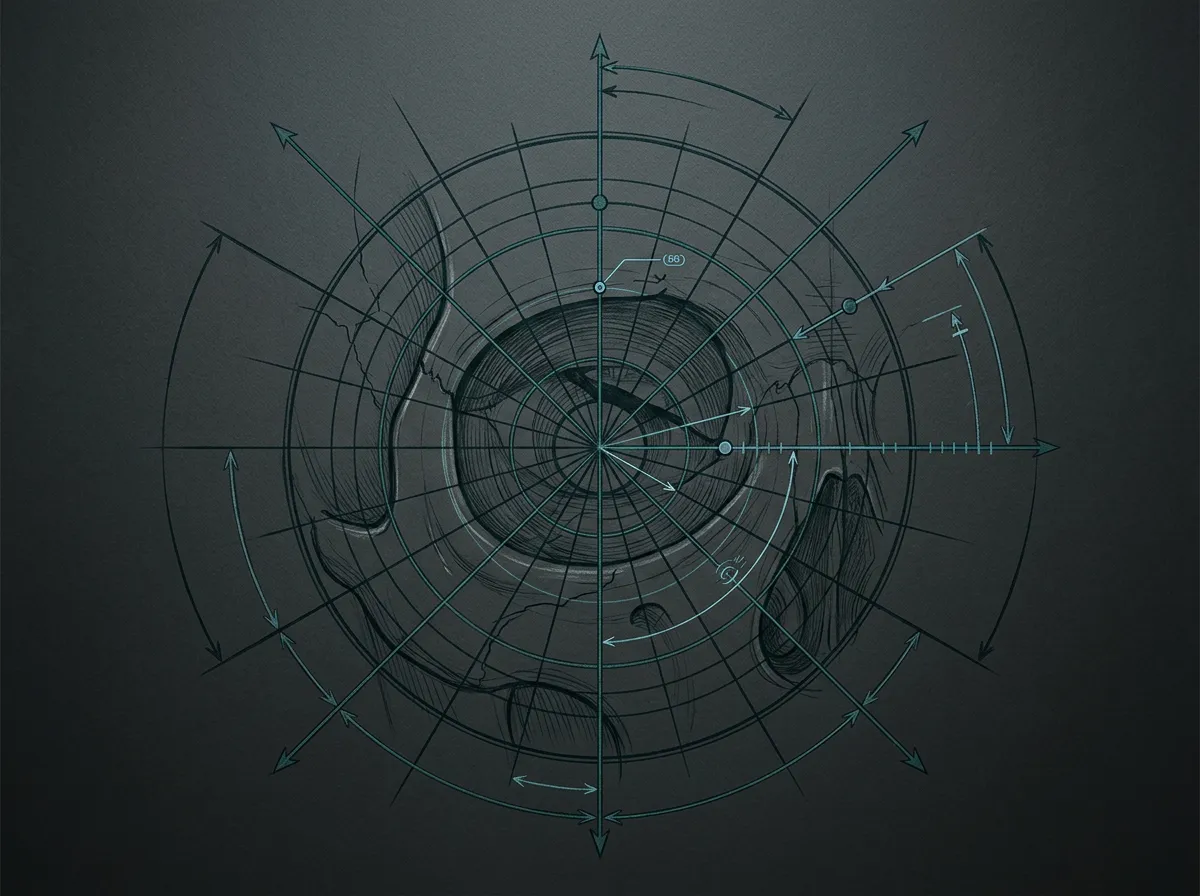
PHASE 01 : MORPHOLOGICAL APPRAISAL
Mapping To Bone Structure & Natural Slant
Every procedure begins with structural evaluation. You will analyze deep-set contours, hooded folds, epicanthic variations, and downward lateral canthi to formulate custom mapping angles that enhance balance without distorting dynamic expressions.
- Canthal tilt vector calculation to prevent downward visual pull
- Assessing skin turgor and micro-creasing on the mobile eyelid
- Strategic open-eye versus closed-eye asymmetry balancing
PHASE 02 : PROPORTION & LONGEVITY
Calibrating Thickness to Long-Term Realities
A client's requested dramatic graphic wing can become unflattering as skin elasticity changes over decades. Learn how to guide client expectations toward timeless, refined enhancements that age gracefully within dermal boundaries.
- Guiding clients away from high-risk ultra-thick topical wings
- Modulating taper depth to prevent pigment concentration in crease folds
- Setting realistic pigment retention expectations based on skin undertone
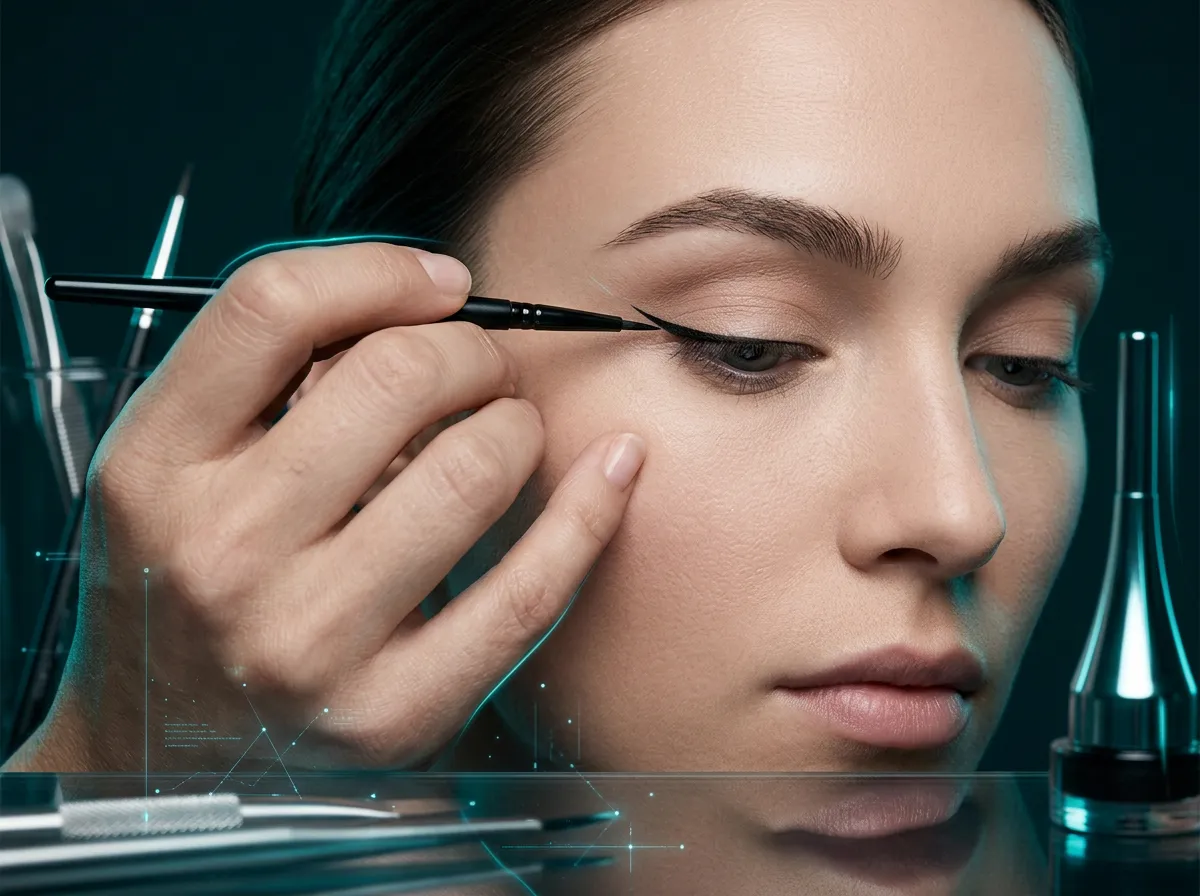
TECHNIQUE MATTERS
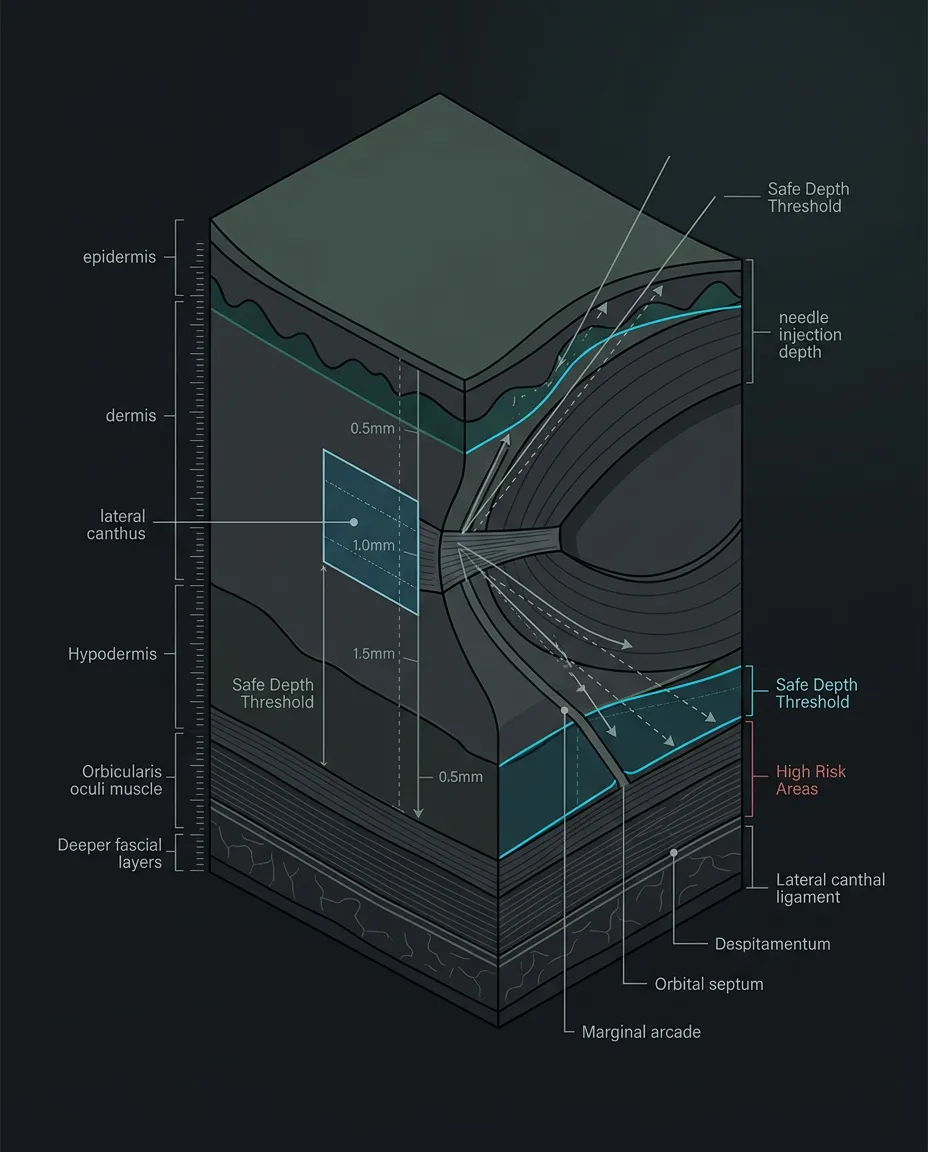
KNOWING WHERE NOT TO PLACE PIGMENT
The periorbital region is physiologically unique: eyelid tissue is among the thinnest on the human body, resting directly over delicate capillary networks and loose vascularized connective layers. When pigment is deposited without absolute spatial control, it risks entering vascular pathways or spreading through sub-epidermal channels.
Advanced permanent eyeliner education prioritizes depth calibration and boundary recognition over mere design speed. Mastering needle inclination, oscillation velocity, and tissue stabilization allows artists to respect anatomical thresholds and dramatically reduce procedural complications.
- Strict boundary control around the lateral canthus vascular plexus
- Depth containment within the upper reticular dermis to prevent blowouts
- Hand-speed and needle-stroke calibration tailored to varied skin elasticity
- Identifying vascular contraindications before implanting periorbital color
Notice: While meticulous technique and rigorous anatomical understanding substantially minimize the incidence of pigment migration, individual tissue variance means no procedural methodology can guarantee absolute risk elimination.
INTENSIVE CURRICULUM ARCHITECTURE
ONE DAY. FOCUSED TRAINING.
Every hour is calibrated exclusively for permanent eyeliner mastery. No unrelated cosmetic procedures, no diluted classroom agendas - only precision ocular pigmentation techniques.
STAGE 01
Instructor Demonstrations
Observe micro-movements and hand-speed cadences up close. Master educators break down exact needle configurations, stretch tensions, and pigment load management in real time.
STAGE 02
Design Exercises
Execute bilateral symmetry mapping and lash-line contouring on custom ocular templates. Hone your ability to customize wing angles to varied palpebral fissure shapes before touching pigment.
STAGE 03
Technique Development
Engage in intensive synthetic medium practice under direct faculty oversight. Calibrate insertion depth, pointillism density, and needle stroke consistency without patient risk.
COURSE PREREQUISITE & QUALIFICATION
IS THIS COURSE FOR YOU?
This specialized masterclass is strictly curated for practicing technicians ready to master the high-precision art of eyelid and lash-enhancement pigmentation.
CRITICAL ELIGIBILITY CRITERIA
Previous PMU or Tattoo-Machine Experience Is Required
Eyeliner pigmentation involves delicate vascular tissue and ultra-fine needle control. We do not teach foundational device handling, bloodborne pathogens, or basic needle depth in this advanced certificate. You must already possess steady rotary or digital machine confidence.
• Enrollees must present proof of prior PMU / cosmetic tattoo certification or demonstrable professional machine portfolio prior to live-model clinical sessions.
IDEAL CANDIDATE PROFILE
An Advanced Specialty Add-On For Certified Artists
- Certified microblading, powder brow, or lip blush artists adding high-ticket eyeliner services
- Licensed tattooists seeking clinical eyelid stretching and specialized pigment formulation protocols
- Practicing PMU technicians wanting to master classic winged, stippled lash-line, and shaded smokey techniques
- Artists with existing client bases aiming to expand average service revenue past $650 per appointment
New to cosmetic tattooing? Complete our foundational program first:
OPTIONAL CLINIC
Post-grad technique coaching & live model floor time.
ELECTIVE SKILL ACCELERATION
WANT ADDITIONAL PRACTICE?
Our optional Guided Practice Clinics offer graduates an exclusive, self-directed environment for technique refinement, needle taper adjustments, and hand-speed calibration under the direct supervision of an instructor. This supplemental pathway allows practitioners to gain extra confidence before independent commercial procedures.
- Separate Enrollment: Additional clinic fees apply and are not covered under standard certificate tuition.
- Elective Status: Participation is completely optional and is not a prerequisite for course graduation.
- Availability & Rosters: Clinic seats are scheduled based on facility floor capacity and mentor availability.
* Optional add-on: Clinic availability varies by term. Does not guarantee specific client outcomes.
FINANCIAL SCHEDULE & ENROLLMENT
TRANSPARENT TUITION
A straightforward investment model with zero hidden fees. All training supplies, certification processing, and studio access are incorporated into one exact investment.
Total Program Investment: $1,200
Your complete tuition covers all hands-on studio workstation time, clinical supplies, pigment theory materials, and your official permanent cosmetics credentialing documentation upon completion.
PAYMENT TIMELINE & MILESTONES
- $600 Enrollment Deposit: Due upon seat reservation to lock in your training dates and initiate prerequisite review.
- $600 Final Balance: Due exactly seven (7) days prior to the first in-person training session.
- Automated Receipting: Instant itemized confirmation and compliance documentation provided for every transaction.
OPTION 01
Pay in Full
Settle the full $1,200 at checkout. Eliminates balance reminders and confirms all placement paperwork immediately.
OPTION 02
SweetPay Financing
Spread program costs into predictable monthly installments with rapid pre-qualification and zero prepayment penalties.
OPTION 03
AAC Arrangements
Custom institutional payment schedules for eligible professionals and multi-course students. Inquire with admissions.
STATUTORY ADVISORY & JURISDICTIONAL COMPLIANCE
PROFESSIONAL RESPONSIBILITY
Permanent makeup regulations vary significantly across state, provincial, and municipal jurisdictions. Enrollment and subsequent completion of this advanced certification course does not substitute for state board licensing, establishment permits, or statutory authorizations required to practice commercially.
- Local Board Licensure: Students are strictly responsible for confirming prerequisite credentials, body art practitioner permits, or esthetic/cosmetology licenses mandated by their local Department of Health prior to performing procedures.
- Scope of Certification: The certificate awarded verifies educational curriculum completion and technical mastery of permanent eyeliner methodology; it does not confer a government license to practice.
- Facility & Insurance Protocols: Practitioners must independently secure professional liability insurance, biohazard waste disposal compliance, and bloodborne pathogen certificates consistent with regional statutes.
For questions regarding scope-of-practice applicability or jurisdictional compliance, consult your regional public health division or licensing board before registering.
POST-GRAD CLINICS
Supervised clinical studio time with Senior Master Instructors.
OPTIONAL EXTENSION OPPORTUNITY
WANT ADDITIONAL PRACTICE?
For graduates seeking further hands-on immersion prior to private client intake, our optional Guided Practice Clinics offer structured live-model sessions under the direct oversight of Academy Master Artists. Designed for technique refinement, stroke calibration, and advanced wing stabilization.
- Optional supplementary enrollment distinct from the core Permanent Eyeliner Certificate.
- Separate clinical supply fee and studio booking rates apply per scheduled session.
- Clinic availability varies by campus schedule and instructor live-model rotation.
Studio availability is limited to maintain 1:2 instructor ratios • Independent from core tuition
Academy of Advanced Cosmetics
Professional certificate education in permanent makeup, cosmetic tattoo, paramedical tattoo and specialty techniques - built on real-world experience and small-class instruction.
Academy of Advanced Cosmetics
1875 Old Alabama Road, Suite 625
Roswell, Georgia 30076
770-230-1703 (CALL or TEXT)
[email protected]
Curriculum & Navigation
Connect With AAC


Stay connected after graduation with ongoing support and a private alumni community.
© 2026 Academy of Advanced Cosmetics. All Rights Reserved. | Privacy Policy | Terms of Service | Institutional Disclosures